When starting a company, an entrepreneur faces the choice of organizational structure. The efficiency of converting investments and time into stable income depends on this choice. There are types of businesses that involve using an already created and established strategy and do not require experience in building a company.
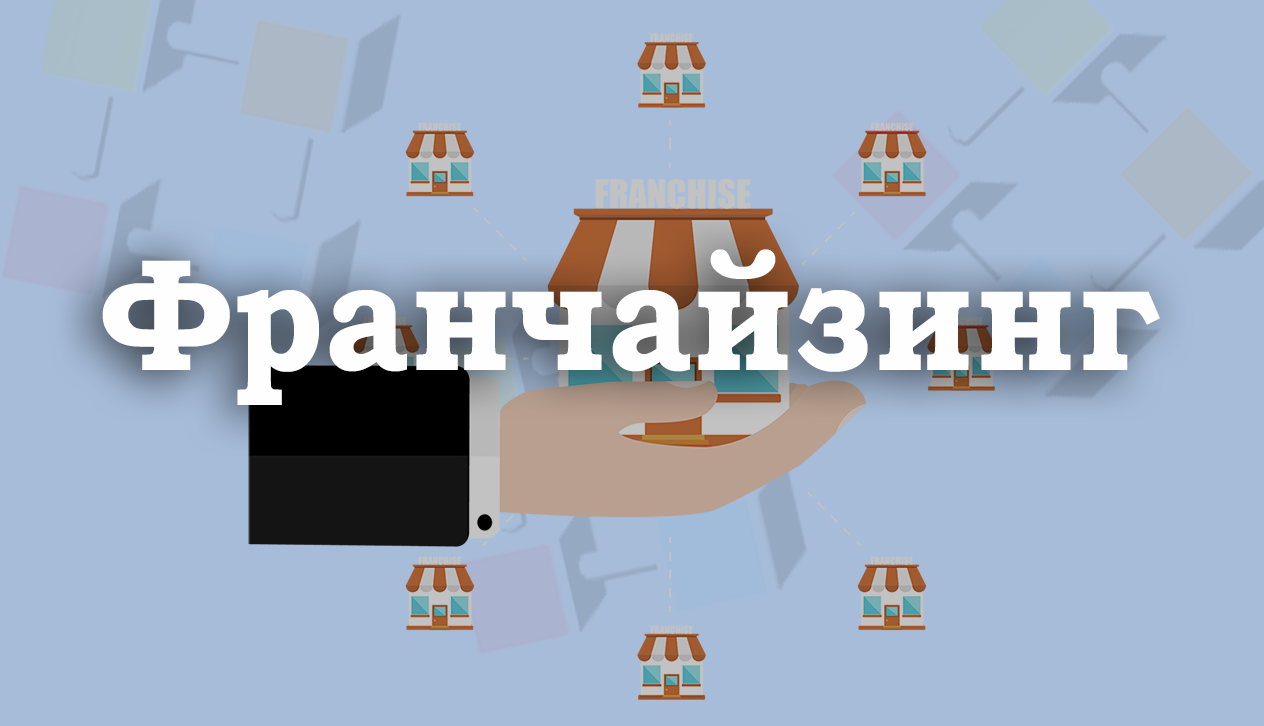
Franchising - a business scheme in which a partner grants another the right to use an already developed business model. The franchisor allows operating on behalf of its brand and transfers management methods for a fee. Franchising is in demand when creating networks of gas stations, stores, dining establishments, cafes, etc.
Network Marketing (multi-level marketing, MLM) - a way of implementing goods and services that is based on creating a network of independent distributors. This marketing concept is aimed at promoting goods and services directly from the manufacturer to the consumer. The company's business model, experience, and skills are passed on to partners for free to use in developing their structure.
These types of businesses are often compared, which is quite justified.
Common features of franchising and MLM:
- there is a step-by-step work system;
- access to business automation structure;
- business is conducted on behalf of a promising brand; - training and assistance to beginners in business development. Let's consider the specifics of these business organization schemes.
The initial stage of creating a new business carries many risks. Companies that have succeeded in their field and sell their methodology to others know the specifics of the business and accurately predict upcoming expenses and sales performance. Based on their marketing research, you will have an idea of the competition, market differentiation, the operation of marketing tricks, etc.
This approach is beneficial for companies selling franchises due to: - rapid business expansion in different regions and countries: the more sales points, the more people learn about the brand; - earning income from franchise sales and royalties (monthly amounts paid according to the franchise agreement). McDonald’s became the number one fast-food restaurant thanks to franchising. Now their franchise is among the most expensive in the world, and the business model is considered one of the most successful.
Buying a franchise offers several advantages that an entrepreneur does not have at the initial stage of developing their business. The franchisor provides an already refined working system.
Business is supported by staff training, business management consultations, etc. This forms operational experience that others gain through trial and error. Speaking of McDonald's, partners there are trained for a whole year. Upon arrival in America, you will have to work in all positions, starting from a cleaner and ending with a restaurant manager.
The main expenses for a franchisee are buying the franchise itself, organizing the work process, and royalties. By using a single brand and business concept, the costs of promoting the business will be minimal. The brand is already known due to the advertising campaigns of the owners.
When choosing a franchise, focus on the development prospects of the chosen field, brand recognition, and cost. Today, you can find a business for every taste and budget. There are projects starting from $200, but there are also those that cost millions. Franchises in the service or retail sector with a cost of up to $20,000 are in high demand.
The success of a franchise business depends on the successful implementation of the owner company's strategy and following their recommendations.
In large businesses, up to 50% of the final product cost is advertising and product promotion expenses. MLM structure is beneficial to company owners due to savings on product promotion. The advantage of MLM business is that partners become consumers of the company's unique products. Some people register in the partner database solely to purchase products at a discount. The entry cost in most companies does not exceed $100. Distributors earn percentages from product sales and commissions from the partner program. They profit from commissions for inviting new people, training, and providing assistance in team development. Interesting fact: many start-up companies sell positions in higher-level structures. The payment cost can reach tens of thousands of dollars. This saves time on team development and advancing in the company.
Remarkably, MLM organizations constantly improve the qualifications of their partners - regular trainings, webinars, and other educational programs are held. This experience helps to navigate in a new field, quickly move up the structure, and gain relevant knowledge. For example, in Faberlic, training is combined with practice (after studying the material, an assignment must be completed). Newcomers in the company receive tangible support from their sponsor. Network marketers develop their business at convenient times and from anywhere in the world. Over 90% of MLMers work exclusively online.
When choosing a company, pay attention to: - marketing plan (description of the structure's work strategy); - age and reputation of the network company (this is a sign of reliability and stability. Many projects close within a year); - offered product/service (it is easier to sell a quality and in-demand product); - company's infrastructure (presence of regional and central warehouses and service points, product delivery times, etc.).
For example, Faberlic company has a network of agency points. This allows you to place orders and receive products in your region.
Regardless of the direction of your development, use the experience of your partners and mentors. Repeat their successful solutions and achieve the best results.
FRANCHISE
NETWORK MARKETING (MLM)